
Air Force Air Traffic Controller Salary, Training & Career Guide
When most people hear “air traffic control,” they picture blinking radar screens, high pressure, and a job only a handful of people could ever handle. Sometimes they’ve also heard a few myths about what the work is really like (see these common misconceptions about ATC). While yes, the job comes with intensity, the truth is air traffic control is also one of the most rewarding careers in aviation — offering strong pay, meaningful responsibility, and a career path that translates to both the military and the civilian worlds.
If you’ve ever wondered what the training looks like, how long it takes, or what kind of salary you can expect, here’s a general breakdown of each step — from the first day of basic training all the way to earning your controller certification.
✈️ How Long is Air Traffic Controller Training?
One of the most common questions is: how long does it take to actually become a controller? If you’re entering through the U.S. military (Air Force example), here’s what the road looks like:
Basic Military Training
Duration: ~7.5 weeks (just under 2 months).
What to Expect: You’ll cover military customs, discipline, fitness, and the foundation every Airman needs. At this point, the training isn’t specific to your career field yet. Regardless of the career you’ve chosen, you’re still just laying the groundwork here.
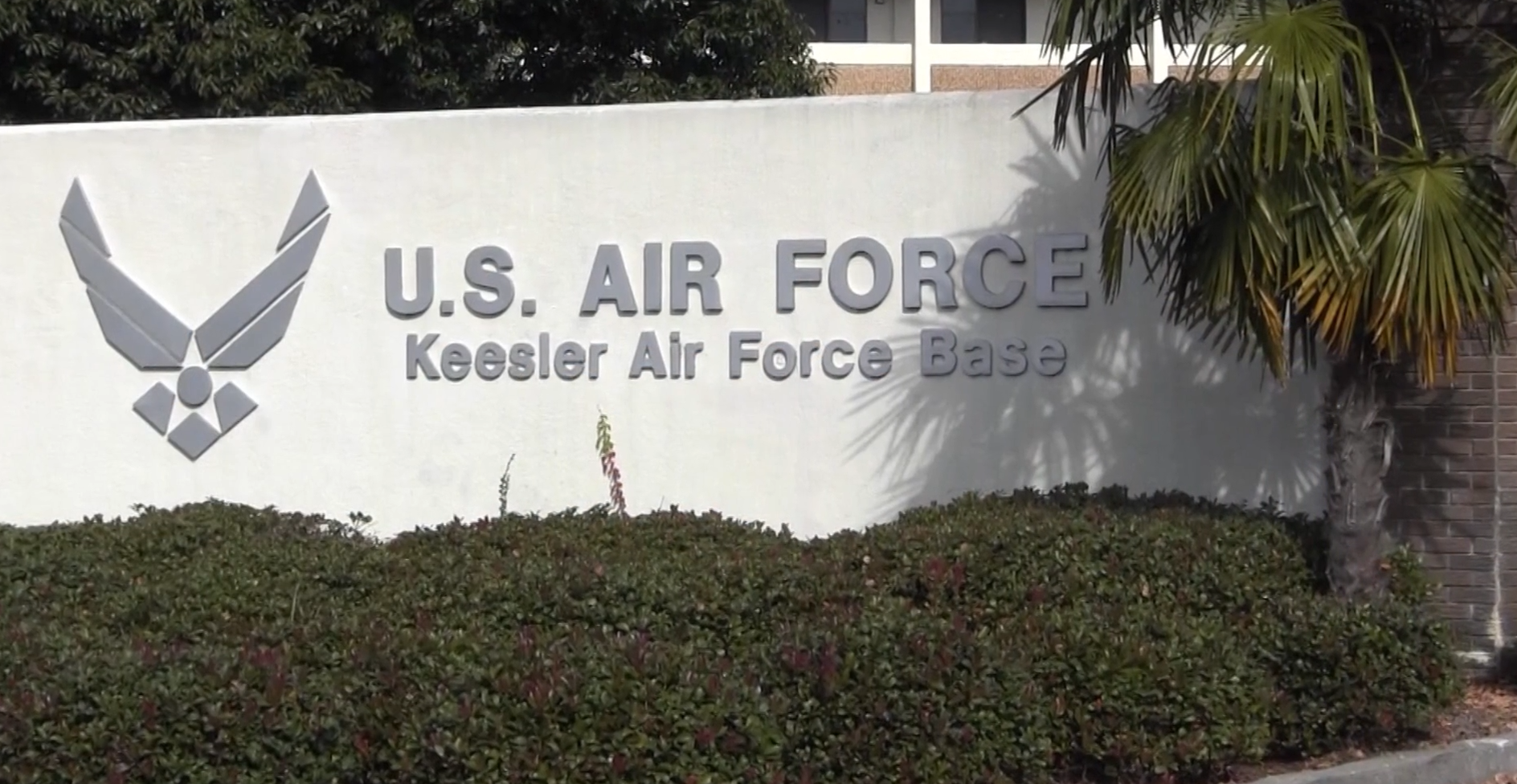
ATC Technical School at Keesler AFB
Duration: ~4.5 months at Keesler Air Force Base, Mississippi.
What to Expect: Now things get a little more real. You’ll dive into training both tower and radar environments, practice phraseology (the official ATC “lingo”), and run a multitude of simulated traffic scenarios. It’s intense, but designed to take you from knowing absolutely nothing to being ready for live on-the-job training at your first duty location.
On-the-Job Training and Certification
Duration: 12–15 months on average (depending on base and how complex the airspace is).
What to Expect: Think of this as your controller apprenticeship. You’ll train under certified controllers, starting with simple tasks, and slowly work up to running full control positions. This time frame is where you begin working real-live traffic, where every decision matters (monitored closely by your trainers of course). Each stage comes with evaluations, and passing them moves you closer to your complete certification.
My personal OJT timeline took roughly 13 months from start to finish in a radar facility. There were 4 mandatory positions to certify/”rate-in” at the time. Each had up to 3 written tests and mandatory real-time evaluations of you working each position. All positions had to be passed before becoming fully certified, but again, this varies from location to location.
👉 Total Timeline: From day one of basic training to full certification at your duty station, expect about 18–20 months.
💰 Air Traffic Controller Salaries
Your salary depends on whether you’re working in the military, civil service (FAA), or eventually transitioning into a civilian aviation role.
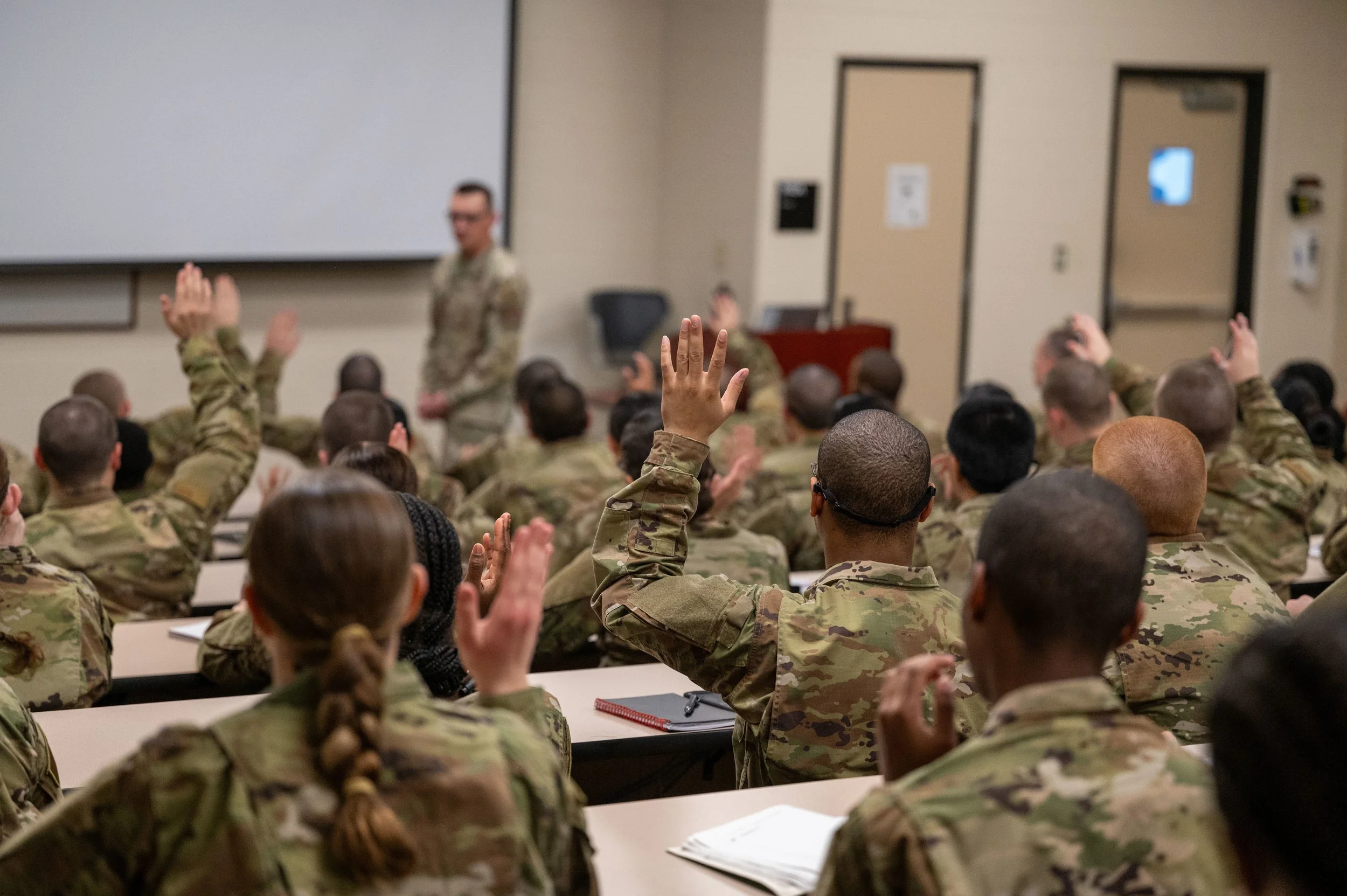
Air Force Air Traffic Controller Salary
Base pay starts according to rank (E-1 to E-3 for new recruits).
As your career and rank progresses, so does the pay. Add in special pays for training or becoming a supervisor in ATC (that’s before deployments, special duty, etc.) and the number continues to climb.
Military Benefits Beyond Base Pay
In addition to base pay, military air traffic controllers receive valuable benefits such as:
Housing allowance (BAH)
Food allowance (BAS)
Healthcare (TRICARE)
Retirement contributions through the Blended Retirement System (BRS).
When comparing military and civilian salaries, these benefits can add significant value beyond the paycheck itself.
FAA Air Traffic Controller Pay
Entry-level controllers usually start around $40,000–$50,000/year during training.
Hiring happens in a couple of ways:
“Off the street” hires – no prior ATC experience; you go through the FAA Academy in Oklahoma City before being assigned to a facility.
Prior-experience hires – if you already have ATC experience (military or otherwise), you may qualify for direct entry into higher-level positions.
Once certified, that’s when the salaries begin to climb. Many controllers earn $100,000+, with senior controllers in busy facilities making $150,000–$180,000/year.
Overtime, holiday pay, and shift differentials can bump that number even higher.
👉 Bottom line: Whether you’re military or civilian, air traffic control is a career with serious earning potential.
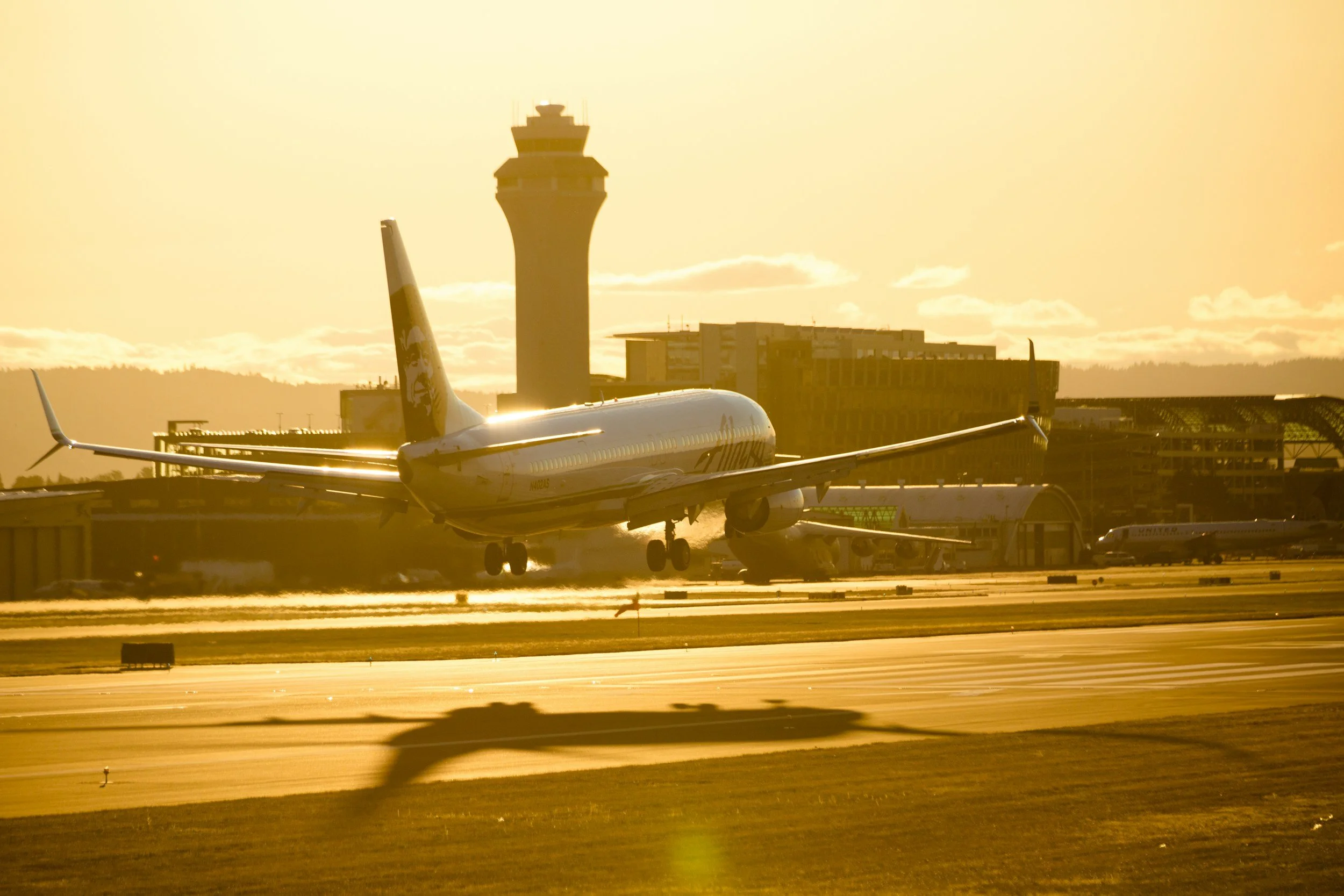
⚖️ The Reality of the Job
From my experience, the most difficult part of the training (and even thejob itself) wasn’t memorizing phraseology or procedures, it was developing my confidence while working live aircraft. Tech school gives you the foundation, but the OJT is where you truly begin to think like a controller. At the same time, I was learning how to balance the demands of the job with family responsibilities. That continued experience has taught me that success in the career field isn’t just about your technical knowledge; it’s about your consistency, discipline, and showing up prepared for each new challenge.
Bottom Line:
You play a direct role in keeping pilots and passengers safe.
You hone skills in communication, focus, and teamwork that are highly sought after in any career field.
You join a respected profession with a close-knit community (controllers really do look out for each other).
For many, that sense of responsibility is exactly what makes the career so rewarding.
✅ Final Thoughts
If you’re considering air traffic control, here are the essentials:
Training isn’t overnight. Plan for about 18–20 months from start to full-certification.
The pay is strong. Both military and civilian routes offer competitive salaries and great benefits.
It’s high-stakes, but fulfilling. You’ll make a difference every single day you’re on the mic.
If you’re willing to embrace the training and thrive under pressure, air traffic control is one of the most impactful careers in aviation — and one worth exploring.
